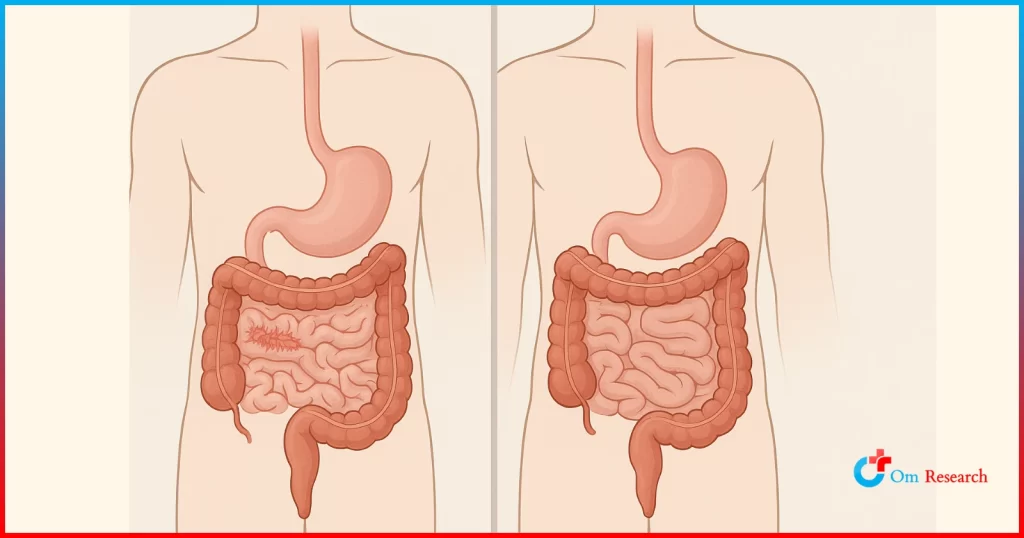
Celiac disease, an autoimmune disorder triggered by gluten ingestion, damages the small intestine’s lining, leading to malabsorption of essential nutrients. This malabsorption can result in various nutritional deficiencies, which may complicate the management of type 2 diabetes.
Common Nutritional Deficiencies in Celiac Disease
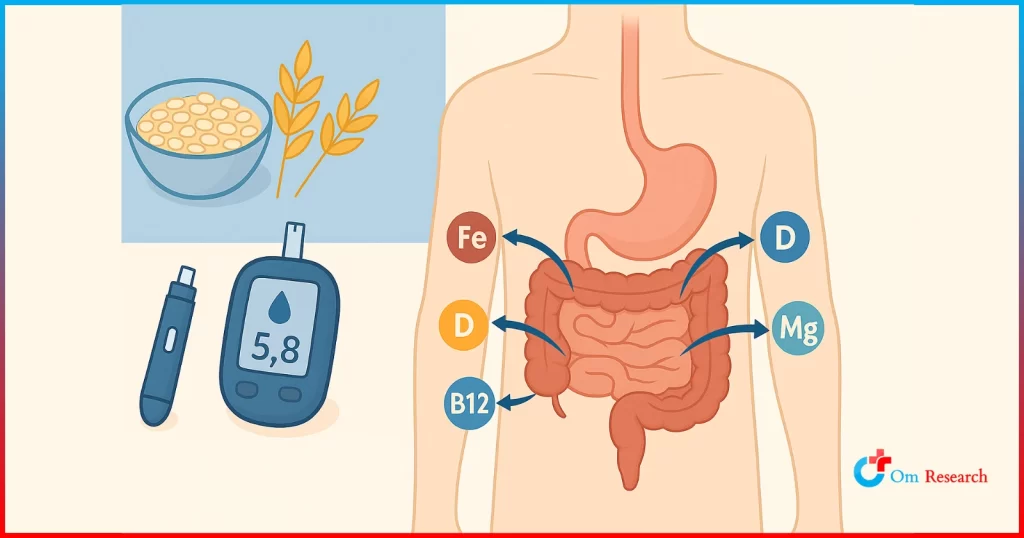
Individuals with celiac disease often experience deficiencies in:
- Iron: Leading to anemia and fatigue.
- Vitamin D and Calcium: Increasing the risk of bone disorders like osteoporosis.
- Vitamin B12 and Folate: Essential for nerve function and red blood cell formation.
- Zinc and Magnesium: Important for immune function and metabolic processes.
These deficiencies are prevalent at diagnosis and may persist even with a strict gluten-free diet. Regular monitoring and appropriate supplementation are crucial.
Impact on Type 2 Diabetes Management
Nutritional deficiencies associated with celiac disease can affect blood sugar control in type 2 diabetes:
Iron Deficiency: May impair insulin synthesis and contribute to fatigue, which can reduce physical activity levels, making blood sugar harder to manage.
Vitamin D Deficiency: Linked to insulin resistance and poor glucose control. Maintaining adequate vitamin D levels is important for metabolic health in people with diabetes.
Magnesium Deficiency: Common in both celiac disease and type 2 diabetes. Magnesium plays a key role in carbohydrate metabolism and insulin action. Low levels may worsen blood sugar management.
B Vitamins (especially B12): These are essential for nerve health. Deficiency can lead to neuropathy, a condition that is already a risk for those with diabetes.
The Gluten-Free Diet and Diabetes
A gluten-free diet is the cornerstone of managing celiac disease. However, it presents unique challenges when diabetes is also present:
- Gluten-free processed foods are often high in sugar and refined carbohydrates, which can spike blood glucose levels.
- Lack of fiber in many gluten-free products can lead to poor satiety and glycemic spikes.
- Nutrient fortification is often lower in gluten-free products compared to conventional ones.
For patients managing both conditions, a tailored dietary approach is essential. This includes:
- Focusing on naturally gluten-free whole foods (e.g., vegetables, legumes, nuts, lean proteins, and gluten-free whole grains like quinoa and buckwheat).
- Reading food labels carefully to monitor carbohydrate and sugar content.
- Working with a registered dietitian who has experience in both celiac disease and diabetes management.
Clinical Implications
Healthcare providers should be alert to the possibility of dual diagnoses. Type 1 diabetes has a known association with celiac disease due to shared autoimmune pathways, but type 2 diabetes can also coexist. Screening for nutritional deficiencies and optimizing diet can prevent complications and improve quality of life.
Clinical Trials and Future Research
Ongoing clinical trials study how targeted nutrition and supplementation can improve outcomes in celiac patients, especially those with coexisting metabolic conditions. At Om Research, we are committed to supporting innovative research that bridges autoimmune and metabolic health.
You can also read more about ongoing developments in this space in our article:
Beyond Gluten-Free: Emerging Therapies for Celiac Patients
Conclusion
Nutritional deficiencies in celiac disease are more than just a secondary concern—they can directly impact blood sugar control and overall diabetes management. By recognizing these overlaps, clinicians can better guide patients toward sustainable dietary choices that support both gut and metabolic health.
Sources
- National Institutes of Health – Office of Dietary Supplements:
https://ods.od.nih.gov/factsheets/Iron-HealthProfessional
- Celiac Disease Foundation – Nutritional Deficiencies:
https://celiac.org/about-celiac-disease/symptoms-of-celiac-disease/nutritional-deficiencies
- American Diabetes Association – Micronutrients and Diabetes:
https://diabetes.org/healthy-living/medication-treatments/supplements-and-vitamins
- Beyond Celiac – Nutritional Deficiencies:
https://www.beyondceliac.org/celiac-disease/symptoms/nutritional-deficiencies