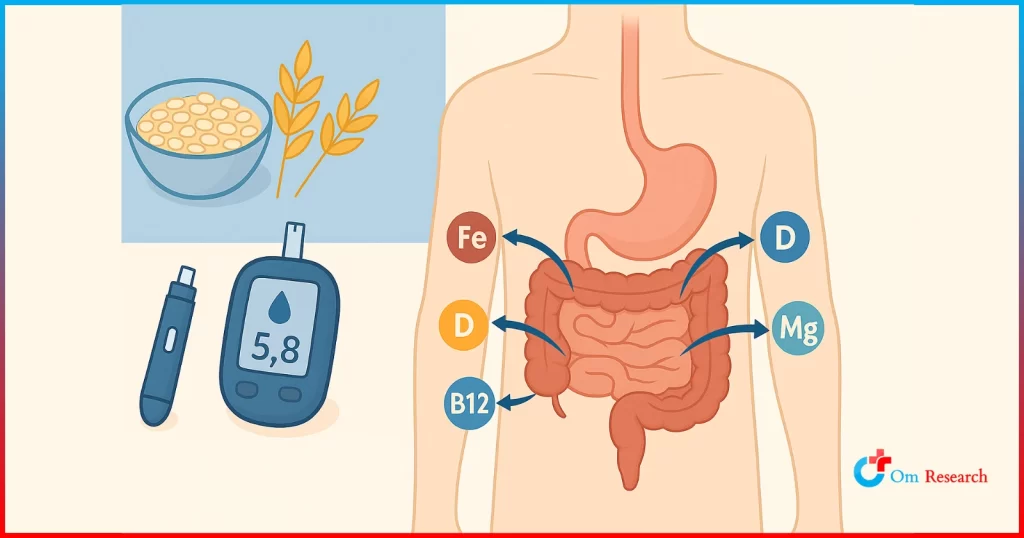
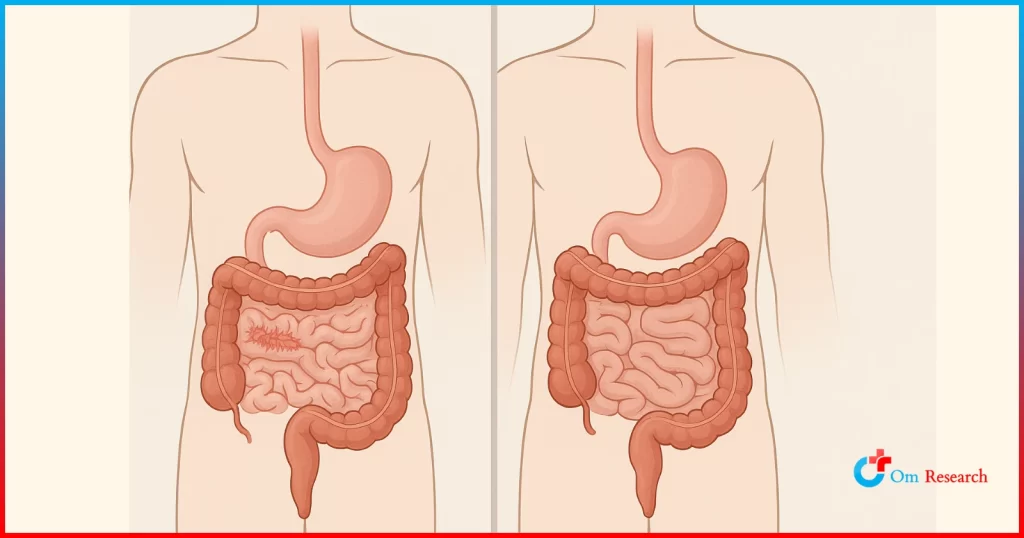
Celiac disease and irritable bowel syndrome (IBS) are two distinct gastrointestinal conditions that often present with similar symptoms, making accurate diagnosis challenging. Both can cause abdominal discomfort, bloating, and changes in bowel habits. However, their underlying causes and treatments differ significantly.(Canadian Diabetes and Heart Foundation, SELF)
Shared Symptoms
Both celiac disease and IBS commonly present with:
- Abdominal pain or cramping
- Bloating and gas
- Diarrhea or constipation
- Fatigue
- Nausea(Advocate Health, Celiac Disease Foundation)
These overlapping symptoms can lead to misdiagnosis or delayed diagnosis. For instance, a person with celiac disease might be initially diagnosed with IBS due to the similarity in gastrointestinal symptoms.
Distinct Features
Celiac Disease
Celiac disease is an autoimmune disorder where ingestion of gluten leads to damage to the small intestine. Beyond gastrointestinal symptoms, it can cause:
- Iron-deficiency anemia
- Dermatitis herpetiformis (a skin rash)
- Osteoporosis
- Neurological symptoms like peripheral neuropathy
- Delayed growth in children(Celiac Disease Foundation, Advocate Health, NIDDK)
Diagnosis involves blood tests for specific antibodies and confirmation through an intestinal biopsy. The primary treatment is a strict, lifelong gluten-free diet.
Irritable Bowel Syndrome (IBS)
IBS is a functional gastrointestinal disorder, meaning it’s related to problems with how the gut works, rather than structural or biochemical abnormalities. Key characteristics include:(Advocate Health)
- Abdominal pain relieved by bowel movements
- Changes in stool frequency or form
- No evidence of inflammation or damage in the digestive tract(EatingWell, CDC)
IBS is diagnosed based on symptom patterns and by ruling out other conditions. Management focuses on dietary changes, stress reduction, and sometimes medications to alleviate specific symptoms.
Importance of Accurate Diagnosis
Misdiagnosing celiac disease as IBS can lead to continued intestinal damage and associated complications due to ongoing gluten consumption. Conversely, unnecessary adherence to a gluten-free diet in IBS patients without celiac disease may not provide symptom relief and can be nutritionally restrictive.
Healthcare providers should consider comprehensive evaluations, including serological tests for celiac disease when patients present with persistent gastrointestinal symptoms.
Conclusion
While celiac disease and IBS share several symptoms, their causes, diagnostic approaches, and treatments differ. Recognizing distinctions is crucial for effective management and improving patient outcomes.
Sources:
- Celiac Disease Symptoms – Beyond Celiac: https://www.beyondceliac.org/celiac-disease/symptoms/
- Irritable Bowel Syndrome (IBS) – Cleveland Clinic: https://my.clevelandclinic.org/health/diseases/4342-irritable-bowel-syndrome-ibs
- Celiac Disease vs IBS – Canadian Digestive Health Foundation: https://cdhf.ca/en/celiac-disease-vs-ibs/(Beyond Celiac, Cleveland Clinic, Canadian Diabetes and Heart Foundation)