

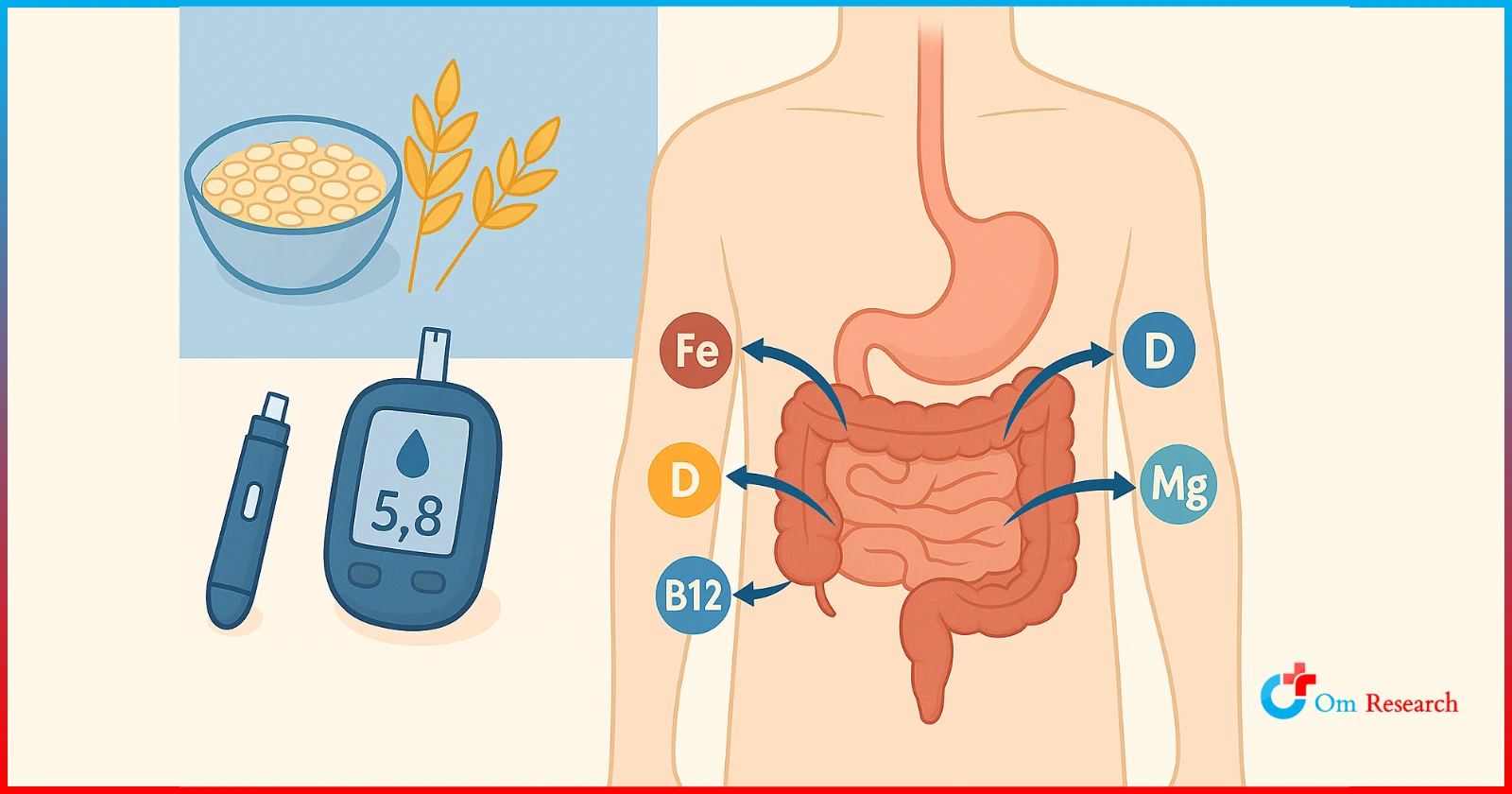
Nutritional Deficiencies in Celiac Disease: Implications for Type 2 Diabetes Management
Celiac disease, an autoimmune disorder triggered by gluten ingestion, damages the small intestine’s lining, leading to malabsorption of essential nutrients. This malabsorption can result in various nutritional deficiencies, which may complicate the management of type 2 diabetes. Common Nutritional Deficiencies in Celiac Disease Individuals with celiac disease often experience deficiencies in: These deficiencies are prevalent at diagnosis and may persist even with a strict gluten-free diet. Regular monitoring and appropriate supplementation are crucial. Impact on
Nutritional Deficiencies in Celiac Disease: Implications for Type 2 Diabetes Management
Celiac disease, an autoimmune disorder triggered by gluten ingestion, damages the small intestine’s lining, leading to malabsorption of essential nutrients. This malabsorption can result in various
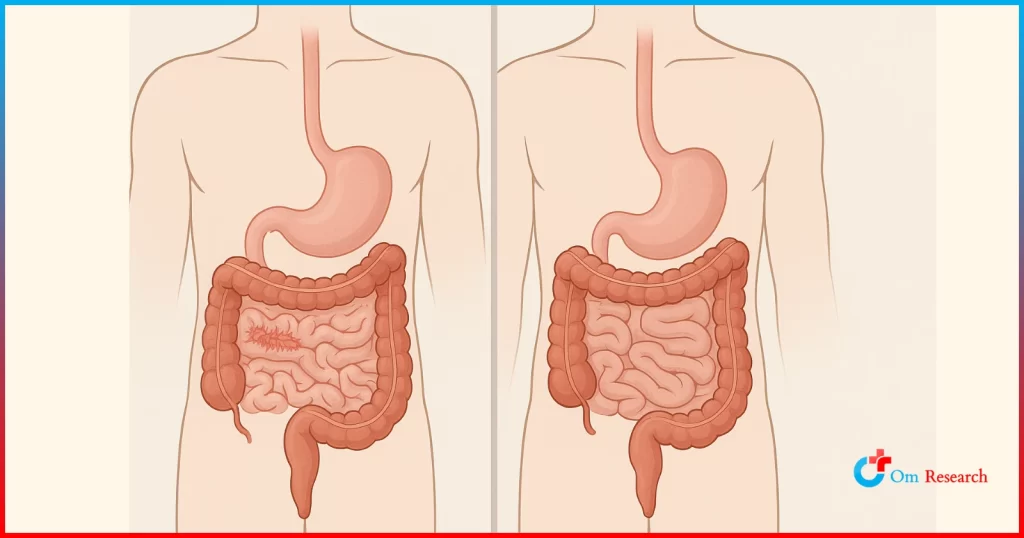
Celiac vs. IBS: Understanding the Overlapping Symptoms
Celiac disease and irritable bowel syndrome (IBS) are two distinct gastrointestinal conditions that often present with similar symptoms, making accurate diagnosis challenging. Both can cause abdominal
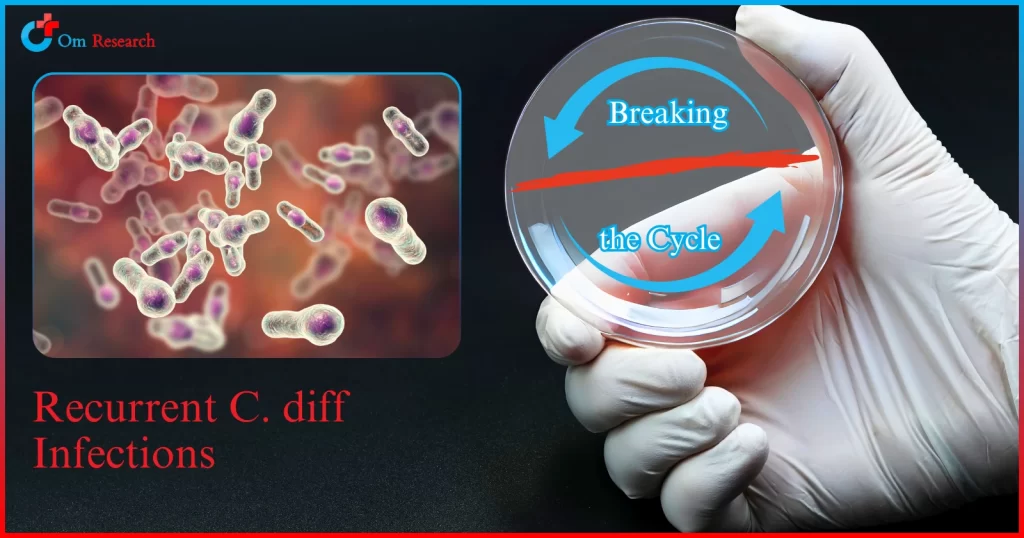
Recurrent C. diff Infections: Breaking the Cycle and Finding Solutions
Struggling with recurrent C. diff infections? You’re not alone. Many people face the frustrating cycle of repeated infections, especially after antibiotic use disrupts gut health, but

Preventing C. diff in Healthcare Settings
Clostridioides difficile (C. diff) is a bacterium that can cause severe colon infections, leading to symptoms like diarrhea, abdominal pain, and dehydration. Healthcare settings are particularly

Beyond Gluten-Free: Emerging Therapies for Celiac Patients
Living with Celiac disease can be challenging, even when following a strict gluten-free diet. For many patients, symptoms persist, and the risk of long-term complications remains.

Emerging Therapies for Celiac Patients: Beyond the Gluten-Free Diet
For millions of celiac patients, adhering to a strict gluten-free diet is just the beginning. While eliminating gluten remains the cornerstone of symptoms management, many patients
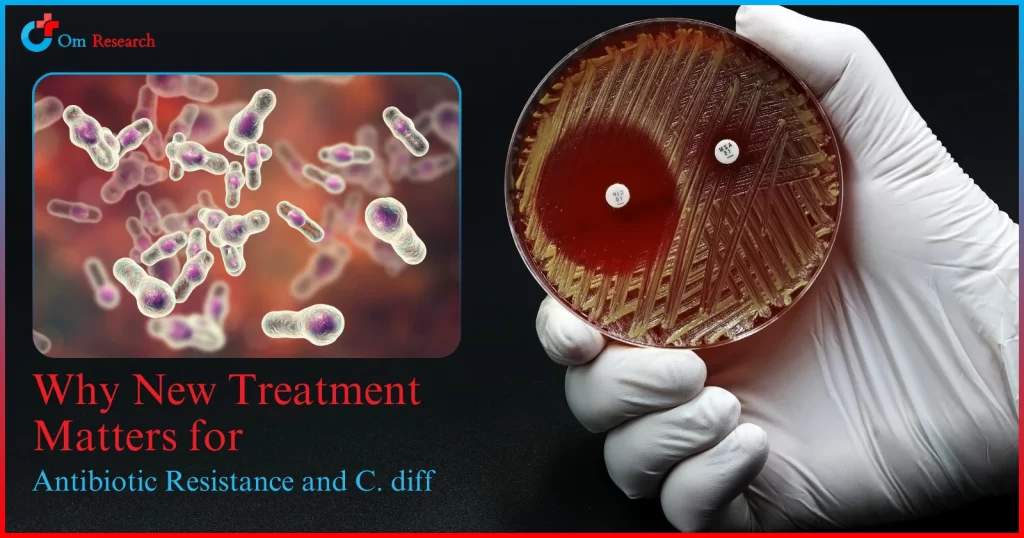
Antibiotic Resistance and C. diff: Why New Treatments Matter
Clostridioides difficile (C. diff) is a serious bacterial infection that affects the digestive system. It’s become increasingly concerning due to antibiotic resistance, making treatment less effective.

How Clinical Trials Are Pioneering New IBS Therapies
Irritable Bowel Syndrome (IBS) affects millions worldwide, causing discomfort and disrupting daily life. While current treatments help some, many patients seek better options. Clinical trials play
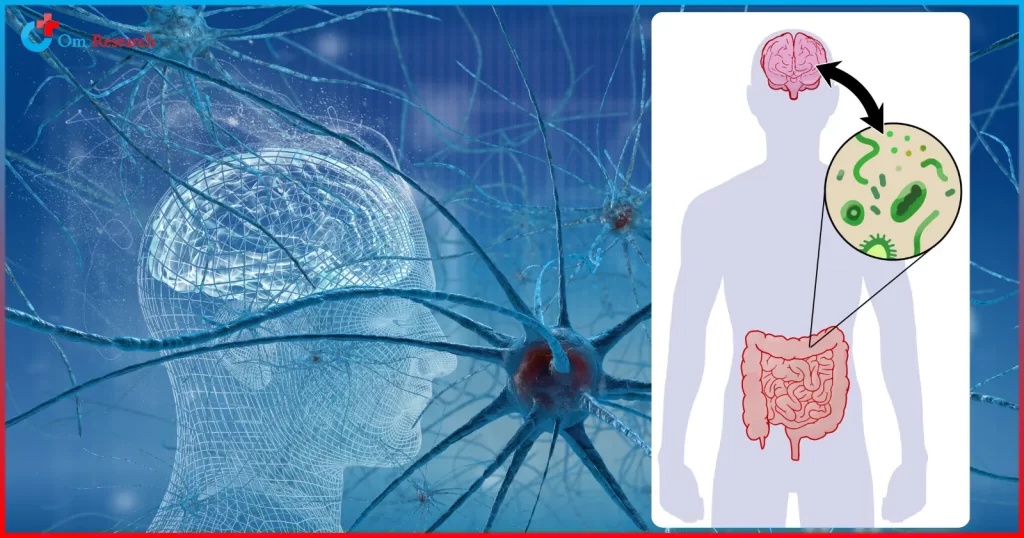
The Gut-Brain Connection: How Stress Fuels Irritable Bowel Syndrome (IBS)
The relationship between mental health and physical well-being has never been more evident than in the intricate bond between the gut and the brain. For individuals

Triggers of Irritable Bowel Syndrome (IBS)
Irritable Bowel Syndrome (IBS) is a complex gastrointestinal disorder characterized by abdominal pain, bloating, and altered bowel habits. While its exact cause remains elusive, research highlights

Hiatal Hernia and Its Role in Acid Reflux and Erosive Esophagitis
A hiatal hernia is a condition in which part of the stomach pushes through the diaphragm into the chest cavity. This condition is often associated with
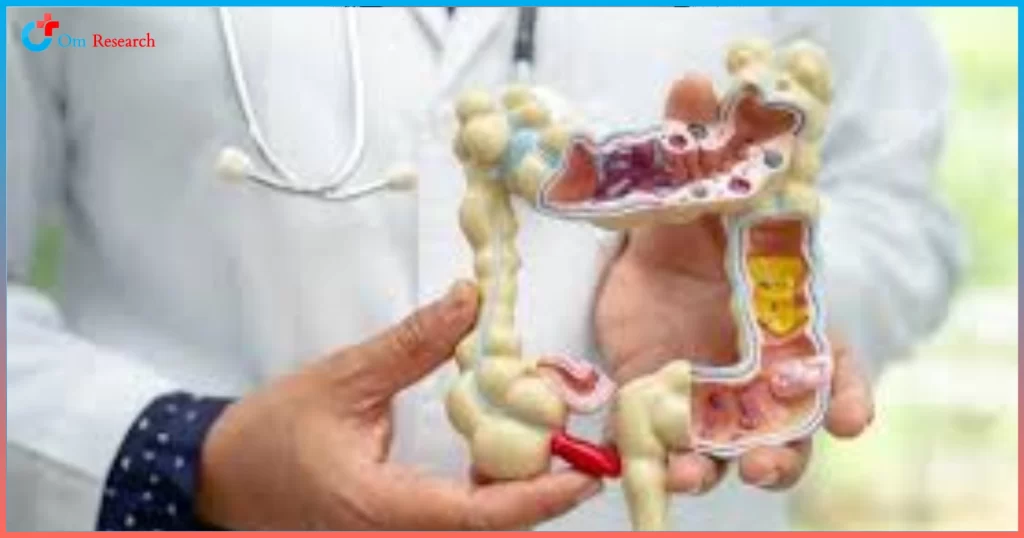
Fecal Microbiota Transplantation (FMT): Treatment for Recurrent C. Difficile Infections
Clostridioides difficile (C. Difficile) infection is a severe gastrointestinal condition that leads to symptoms such as chronic diarrhea, abdominal cramps, and dehydration. C. Diff. Colitis is